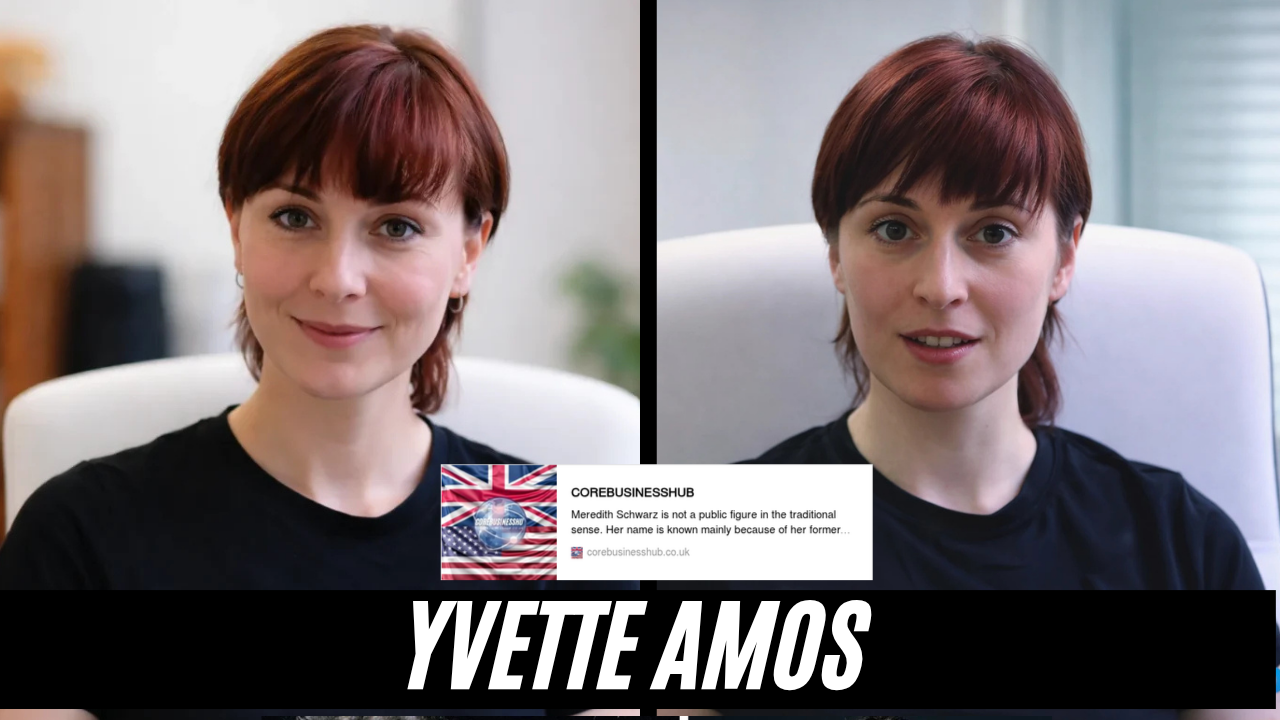
Yvette Amos became widely known after a short BBC Wales Today interview that unintentionally turned into one of the most shared pandemic-era TV clips. She was not a celebrity, politician, or media personality. She was an ordinary guest speaking about unemployment during COVID-19, a topic that reflected the struggles many people were facing at the time.
What made her name circulate across the internet was not what she said, but what appeared behind her during the interview. The moment was brief, unplanned, and quickly detached from its original context once it hit social media.
For many viewers, it became another reminder of how remote broadcasting changed the rules of live television.
BBC Wales Interview During the Pandemic
The interview took place during the COVID-19 lockdown period when broadcasters across the UK were relying heavily on remote video calls. Guests appeared from their homes instead of studio sets, often using laptops, phones, or personal computers.
Yvette Amos joined BBC Wales Today to discuss unemployment and the difficulties people were facing in finding work during the pandemic. The conversation itself followed a familiar structure seen in many news segments at the time. It focused on job loss, financial pressure, and the uncertainty that had become common across households.
Nothing about the discussion was unusual or designed to attract attention. It was a standard public-interest interview meant to highlight real social and economic issues.
The Background Moment That Changed Everything
During the broadcast, viewers noticed something in the background of the shot that was not part of the interview. On a shelf behind Amos, among everyday household items, was an object that quickly caught attention online.
Screenshots began circulating within minutes of the broadcast. People zoomed in, paused the video, and shared it across social media platforms. The discussion shifted almost immediately away from unemployment and toward the unexpected background detail.
The object itself became the subject of debate. Some viewers believed it was an adult novelty item, while others argued it could have been something decorative or misidentified due to camera angle and resolution. The lack of clarity only added to the viral spread.
What is important is that the moment was not staged or intentionally designed for attention. It was a simple background oversight during a home interview setup, something that became far more significant once it reached the internet.
How Social Media Amplified the Clip
The speed at which the clip spread reflects how quickly online audiences react to unexpected visual moments. Twitter users were among the first to circulate screenshots, often paired with humorous captions about working from home and video call etiquette.
At the time, millions of people were adjusting to remote work and remote communication. Video calls had become part of daily life, and people were suddenly aware of what their own backgrounds looked like during meetings. This shared experience helped the clip resonate widely.
Memes followed quickly. The image was repurposed in jokes about Zoom backgrounds, home office mistakes, and the unpredictability of live video interviews. The tone of most reactions was humorous rather than critical, and the clip became part of a broader wave of pandemic-era internet humor.
Media Coverage and Public Reaction
News outlets picked up the story shortly after it gained traction online. Coverage generally focused on the viral nature of the clip rather than on Yvette Amos as a public figure. She was described as a guest on a news program rather than a media personality.
Reports highlighted how remote broadcasting had introduced new challenges for live television, especially when guests were connecting from personal spaces without professional set design. The incident was often framed as an example of how easily background details could become public talking points.
Public reaction remained largely light-hearted. While the clip attracted attention globally, it did not develop into controversy or sustained criticism. Instead, it faded into the category of viral internet moments that are remembered more for humor than impact.
Why the Moment Went Viral
Several factors contributed to the spread of the Yvette Amos clip.
First, timing played a major role. Remote interviews were still relatively new for many viewers, and audiences were not yet fully accustomed to seeing personal environments on live television. Any unexpected detail in the background stood out more than it might today.
Second, the ambiguity of the object fueled discussion. Because people could not immediately agree on what they were seeing, the clip generated debate. That uncertainty increased engagement and sharing.
Third, the contrast mattered. A serious discussion about unemployment was paired with an unexpected visual distraction, which created a strong disconnect that audiences found memorable.
Finally, the pandemic context cannot be ignored. People were spending more time online, more time in video calls, and more time sharing content. Viral moments like this spread faster and further than they might have in earlier years.
The Person Behind the Viral Moment
Despite the attention, Yvette Amos did not become a public figure. She was not involved in entertainment or media before the interview, and there is no evidence that she pursued a public-facing career afterward.
This detail is important because it separates the viral moment from celebrity culture. Her recognition came entirely from a single broadcast incident rather than ongoing public activity or media presence.
In many ways, her experience reflects a broader pattern seen during the pandemic, where ordinary people briefly became internet-famous due to accidental visibility during remote communication.
What the Clip Represents Today
Looking back, the clip is often referenced as an example of early remote interview culture. It highlights how quickly private spaces became part of public broadcasting, sometimes without intention or preparation.
It also shows how internet audiences interpret and amplify small visual details. A single background object was enough to shift attention away from a serious news topic and turn a local interview into global viral content.
Today, the moment is less about the individual and more about the media environment of the time. It represents a period when home and work boundaries blurred, and when live video became unpredictable in ways traditional television never was.
Frequently Asked Questions
Who is Yvette Amos?
Yvette Amos is a private individual who appeared on BBC Wales Today during the COVID-19 pandemic in a remote interview about unemployment. She became widely known due to a viral background moment during the broadcast.
Why did the Yvette Amos interview go viral?
The interview went viral because viewers noticed an unexpected object on a shelf behind her during the live video call. Screenshots of the moment spread quickly across social media.
Was the moment intentional?
There is no indication that the background detail was intentional or staged. It appears to have been an accidental part of a home setup during a remote interview.
What did people react to most?
Most reactions focused on the ambiguity of the object and the humor of unexpected home backgrounds appearing on live television during remote broadcasting.
Did Yvette Amos become a public figure afterward?
No, she did not become a public personality. The attention remained tied to the single viral interview moment.
Why is this clip still discussed today?
It is often referenced as a classic example of pandemic-era video call culture and how small background details can become viral internet moments.
Conclusion
The Yvette Amos interview remains one of those internet moments that reflects a specific time in media history. It was not planned, not promoted, and not part of a larger public career. Yet it became widely known because it captured something very real about remote communication during the pandemic.
What stands out today is not the object itself, but how audiences reacted to it. The clip shows how quickly attention can shift in the digital age, and how ordinary situations can become global talking points within hours.
In the end, it remains a simple story about a normal interview that became unforgettable for reasons nobody expected.