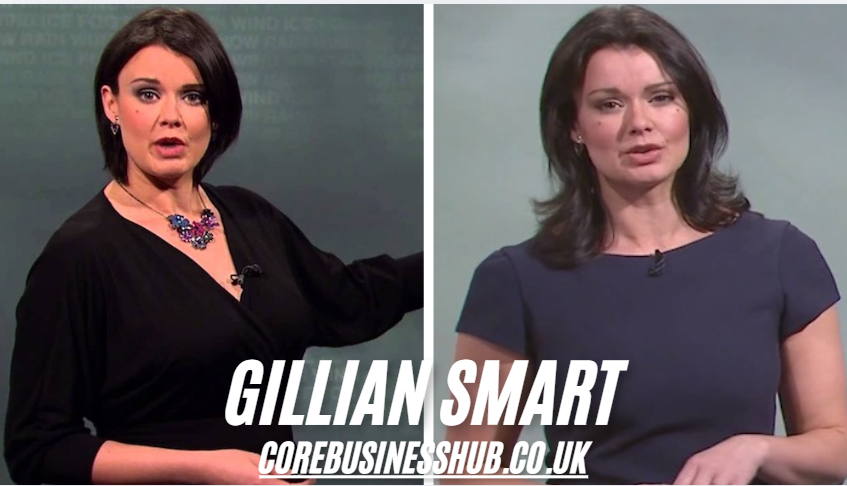
Television weather presenters occupy a unique place in broadcasting. They are trusted voices people turn to every day before leaving for work, planning travel, or preparing for severe weather conditions. Among the familiar figures associated with Scottish broadcasting, Gillian Smart became known for her calm delivery, professional presence, and ability to make weather forecasting feel clear and approachable.
Her work reflects a style of broadcasting built not on celebrity culture or dramatic presentation, but on trust, consistency, and communication. In a media landscape increasingly shaped by speed and noise, presenters like Gillian Smart represent the enduring value of clarity and reliability.
A Career Built on Communication
Weather forecasting on television involves far more than simply presenting temperatures or rainfall predictions. It requires the ability to translate technical meteorological information into language audiences can understand quickly and easily. Viewers rely on presenters not only for information, but also for reassurance and guidance during changing conditions.
Gillian Smart developed a broadcasting style that emphasized simplicity and composure. Her delivery felt natural rather than exaggerated, helping audiences focus on the information itself rather than performance. This ability to communicate calmly became one of the defining features of her on-screen presence.
Strong weather presenters understand that audiences want forecasts explained in practical terms. People are not simply asking whether it will rain; they want to know how conditions will affect daily life. That practical communication style became an important part of Gillian Smart’s appeal to viewers.
The Unique Challenge of Scottish Weather
Scotland’s weather is famously unpredictable. Conditions can shift rapidly between sunshine, heavy rain, wind, fog, and snow, often within the same day. Coastal areas, mountains, islands, and cities all experience different patterns, making regional forecasting especially demanding.
For weather broadcasters, this creates a unique challenge. Presenters must explain changing systems clearly while also keeping forecasts relevant for diverse regions. They need to balance scientific accuracy with accessibility so viewers across the country feel informed and prepared.
Gillian Smart became associated with this kind of steady and understandable forecasting. Rather than overcomplicating weather systems, she communicated in a way that felt direct and useful to everyday audiences.
Familiarity and Public Trust
One reason weather presenters become memorable is because audiences invite them into their homes regularly. Unlike actors playing fictional characters, weathercasters appear as themselves, creating a relationship built on familiarity and trust over time.
Viewers often develop strong connections to presenters they see consistently. Morning forecasts become part of routines, while evening weather updates help people plan the next day. Over years of broadcasting, presenters become woven into everyday life almost without audiences noticing.
Gillian Smart’s career reflects this type of connection. She became recognizable not through controversy or self-promotion, but through regular, dependable appearances that audiences came to trust.
This quieter form of recognition often creates deeper public loyalty than traditional celebrity culture because it is rooted in consistency rather than spectacle.
Beyond the Forecast
Weather broadcasting also involves emotional intelligence. During severe storms, flooding, or winter emergencies, presenters are responsible for communicating information without causing unnecessary panic. Tone becomes just as important as accuracy.
A calm presenter can help viewers feel informed and reassured even during difficult conditions. Gillian Smart’s presentation style reflected this balance. Her delivery remained composed and measured, which helped strengthen audience confidence during periods of disruptive weather.
This ability to maintain calm communication under pressure is one of the most valuable skills in live broadcasting.
Women in Broadcast Meteorology
Women working in television broadcasting have historically faced pressures extending beyond professional performance. Female presenters were often judged heavily on appearance and public image in ways male broadcasters were not.
Over time, however, audiences increasingly valued expertise, professionalism, and communication skills above superficial expectations. Gillian Smart became part of a generation of broadcasters whose credibility came from their work rather than manufactured television personas.
Her presence contributed to a broader shift in broadcasting where women became recognized not simply as presenters, but as trusted communicators and professionals in their own right.
The Human Side of Weather Presentation
Digital apps can provide instant forecasts, radar images, and hourly updates, yet television weather presenters continue to remain important. The reason is simple: people still value human explanation.
Apps provide data, but presenters provide interpretation. They explain why weather patterns are changing, how conditions may develop, and what viewers should realistically expect. This human element makes weather forecasting feel less mechanical and more connected to real life.
Gillian Smart’s broadcasting style reflected this personal approach. Her forecasts felt conversational rather than robotic, helping audiences feel engaged rather than simply informed.
Regional Broadcasting and Local Identity
Regional broadcasters often become especially important because they understand local audiences. Scottish viewers want forecasts that feel relevant to their specific environment, geography, and daily experiences.
Presenters who understand regional weather patterns and communicate naturally within local broadcasting culture tend to build stronger audience relationships. Gillian Smart became part of this tradition of regional broadcasting where familiarity and local relevance matter deeply.
This local connection gave her forecasts authenticity. Viewers felt they were hearing from someone who genuinely understood Scottish weather rather than delivering generic national reports.
Professionalism Over Publicity
One of the most distinctive aspects of Gillian Smart’s public image is its professionalism. Unlike many television personalities, her visibility came almost entirely through her work rather than through personal branding or media controversy.
This approach created a more grounded public identity. Audiences associated her with broadcasting quality rather than celebrity culture. That distinction is increasingly important in modern media environments where many public figures rely heavily on self-promotion.
Gillian Smart’s career demonstrates that long-term audience respect is often built through consistency, credibility, and professionalism rather than constant visibility.
Longevity in Television
Building a lasting career in broadcasting requires adaptability. Television technology, graphics systems, audience expectations, and media formats change constantly. Presenters must evolve while maintaining the qualities audiences trust.
Weathercasters also face the challenge of delivering live information accurately every day, often under tight production schedules. Success in that environment depends on preparation, confidence, and communication ability.
Gillian Smart’s continued recognition reflects those professional skills. Her career demonstrates how reliability and adaptability can sustain long-term success in television broadcasting.
The Quiet Importance of Familiar Faces
Many television personalities become famous through dramatic moments, but weather presenters often become important for the opposite reason: stability.
Familiar broadcasters provide a sense of continuity. During changing news cycles, political uncertainty, or severe weather events, audiences often appreciate presenters who remain calm and dependable.
This stability creates emotional comfort in subtle ways. A familiar weather presenter can make daily life feel more predictable and manageable, especially during uncertain conditions.
Gillian Smart’s presence on television reflected this quiet but meaningful role within broadcasting.
Public Recognition Without Celebrity Excess
There is a difference between fame and recognition. Gillian Smart became widely recognized through television, but her public image remained connected to professionalism rather than celebrity spectacle.
This distinction matters because audiences often trust broadcasters who appear authentic and grounded. Presenters who avoid excessive self-promotion frequently build stronger long-term credibility.
Her career shows that public respect can grow naturally through work ethic and communication quality rather than through manufactured media attention.
Broadcasting in the Digital Era
Modern weather broadcasting now exists alongside social media, streaming platforms, and instant digital updates. Despite these changes, television presenters continue to hold value because audiences still seek trusted human communication.
The digital era has increased the speed of information, but it has also increased the importance of reliability. People want presenters who can explain fast-changing situations clearly without confusion or sensationalism.
Gillian Smart’s broadcasting style aligns well with these expectations because it prioritizes clarity over performance and trust over spectacle.
Conclusion
Gillian Smart represents a style of broadcasting built on professionalism, calm communication, and public trust. Her work as a weather presenter demonstrates that effective broadcasting is not about dramatic presentation or celebrity status, but about helping audiences feel informed, reassured, and connected.
In a world increasingly shaped by fast-moving media and constant noise, presenters like Gillian Smart remind viewers of the importance of clarity and consistency. Through steady communication and approachable delivery, she became more than simply a weathercaster. She became a familiar and trusted presence in the everyday lives of viewers across Scotland.