
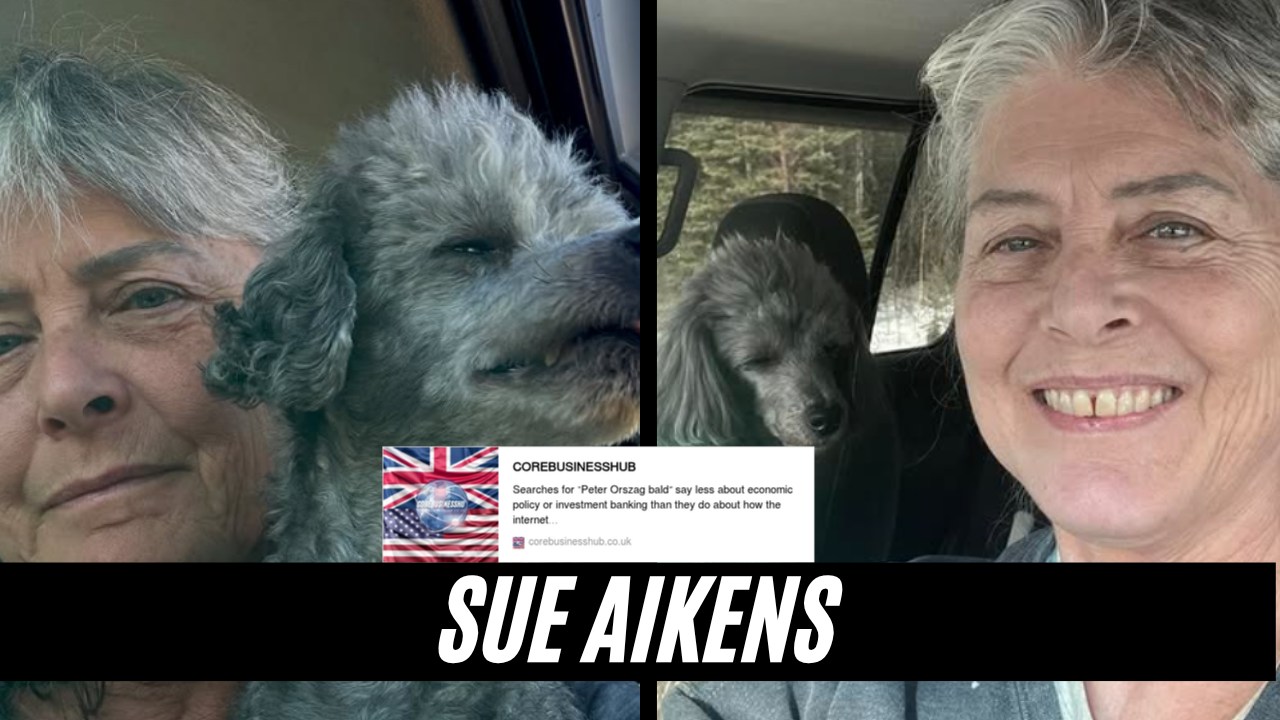
Sue Aikens is one of those rare public figures whose life feels less like a television story and more like a survival record written in real time. Most people know her from Life Below Zero, but her identity stretches far beyond the camera. She lives in a place where the nearest road is hours away, winter can last most of the year, and every decision is shaped by weather, wildlife, and isolation rather than convenience.
Early Life and the Road to Alaska
Sue Aikens was born in 1963 in the United States and spent her early years far from the Arctic. Nothing in her background suggested a future defined by isolation or wilderness survival. Like many people, her early life involved movement, change, and gradually building independence through experience rather than a single defining path.
Her shift toward Alaska came later. It was not a sudden transformation but a slow relocation toward environments that demanded more self-reliance. Over time, she moved further north and eventually settled into a lifestyle that would separate her from most conventional living patterns.
Kavik River Camp and a Life Without Neighbors
The center of Sue Aikens’ world is Kavik River Camp, a remote outpost in northern Alaska. It sits far above the Arctic Circle and has no road access. Planes are the only practical way in or out, which already sets the tone for what daily life requires.
At Kavik, normal expectations of community disappear. Supplies must be planned months ahead. Weather can stop movement entirely. Wildlife is not something observed from a distance but something that must be actively managed. Living there means accepting that isolation is not occasional, it is constant.
During parts of the year, the camp receives visitors connected to research, filming, or work in the region. The rest of the time, it becomes a quiet and demanding environment where maintenance and survival overlap.
Life Below Zero and Public Recognition
Sue Aikens became widely known through the National Geographic series Life Below Zero. The show documents people living in remote parts of Alaska, focusing on how they adapt to conditions that most viewers will never experience.
Her presence on the show stood out because she was often shown alone, handling situations without nearby support. That alone shaped how audiences viewed her: not as someone passing through wilderness life, but as someone fully embedded in it.
Unlike traditional reality television, the series is built around real environments rather than scripted scenarios. The appeal comes from watching decisions unfold under pressure, where outcomes are not controlled by production but by circumstance.
Living Alone in Extreme Conditions
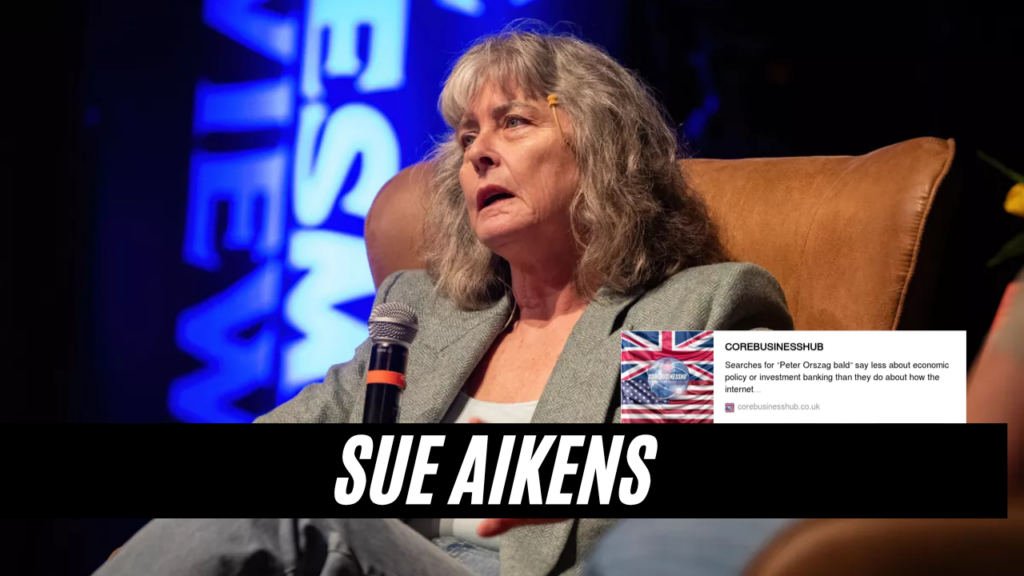
What defines Sue Aikens’ daily life is not one dramatic event but repetition. Winter preparation, fuel management, repairs, weather monitoring, and safety checks are ongoing responsibilities. In remote Alaska, ignoring small tasks can quickly turn into larger risks.
The environment itself plays a central role. Temperatures can drop to levels where machinery becomes unreliable and travel becomes dangerous. Wildlife encounters, especially with bears, are part of the reality of the region rather than rare exceptions.
This kind of life requires a mindset that treats unpredictability as normal. Plans are flexible, and isolation is not something overcome but something managed.
Personal Life and Relationships
Public information about Sue Aikens’ personal relationships is limited and often mixed with speculation. What is clear is that she has experienced marriages and long-term relationships in the past, but she does not center her public identity around them.
There has also been attention on her connection with Michael Heinrich in earlier years, though her current relationship status is not publicly confirmed. What stands out more than relationship details is her long-standing independence, which remains consistent regardless of personal history.
She also has children from earlier parts of her life, though they are not part of her public or television presence. That separation between personal and public life is intentional and consistent.
Survival, Injury, and Resilience
One of the most serious events in her life was a grizzly bear attack she survived in Alaska. The incident left her with significant injuries and required recovery in extremely difficult conditions.
In remote environments, survival is not only about strength but about response time. Medical help is not immediately available, and that changes how dangerous situations unfold. Her recovery became part of her broader story of resilience, but it also reflects a harsher truth about living in isolated regions: risk is always present.
Net Worth and Work Reality
Estimates of Sue Aikens’ financial standing vary, but most place her in a modest range compared to mainstream television figures. Her income has come primarily from Life Below Zero and the operation of Kavik River Camp.
Television earnings in documentary-style programming are generally not on the level of scripted entertainment, and much of her work is tied to real operational costs of maintaining a remote facility. In practical terms, her lifestyle is not driven by luxury but by sustainability in an extreme environment.
Life Today in Alaska
Sue Aikens continues to live in northern Alaska, maintaining her connection to Kavik River Camp. While her television presence has shifted over time, her daily reality has remained largely consistent.
Her life today is still shaped by isolation, logistics, and environmental conditions rather than public attention. She moves between periods of solitude and short bursts of activity when the camp is in use.
What stands out most is continuity. Despite fame and attention, her environment has not fundamentally changed.
A Life That Doesn’t Follow a Typical Pattern
Sue Aikens’ story does not fit into a conventional biography structure. It is not about moving from one stage of success to another. Instead, it is about choosing a life that most people would avoid and then sustaining it over decades.
That choice is what keeps public interest alive. It raises questions about independence, endurance, and what it means to live outside normal systems of support.
Conclusion
Sue Aikens represents a way of life that exists far outside typical expectations. Her story is not built on reinvention or escape, but on endurance in one of the most demanding environments in North America.
What keeps her relevant is not spectacle but consistency. Year after year, she continues to live in a place where self-reliance is not optional and isolation is not temporary.
Her life remains a reminder that some people choose environments that test limits every single day, and still stay there by choice rather than necessity.